Pot Size Guide: How Big Should Containers Be for Balcony Tomatoes?
Starting your balcony tomato garden? Avoid the #1 mistake beginners make—using too-small pots. This guide reveals the exact container sizes you need for juicy, homegrown tomatoes.
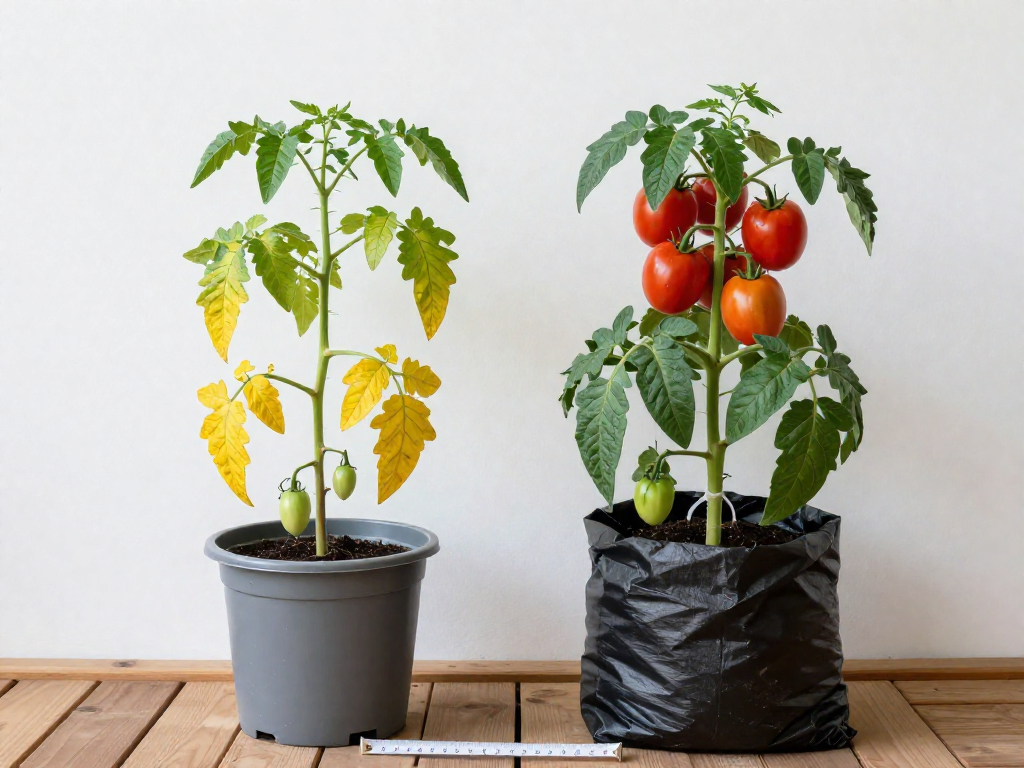
Why Pot Size Matters for Tomato Plants
When you’re growing tomatoes on a balcony, pot size isn’t just about saving space—it directly shapes how healthy and productive your plants will be. Tomatoes have deep, sprawling root systems that need room to stretch. The right container gives them the foundation to take up water and nutrients efficiently, resist stress, and pump out fruit all season.
Determinate vs. Indeterminate: Root Depth and Spread
Tomato varieties fall into two main growth habits, and each demands a different root run. Determinate tomatoes (like ‘Roma’ or ‘Bush Early Girl’) are compact, reaching a set size and then putting energy into a single flush of fruit. Their roots typically stay shallower—about 12–18 inches deep—with a concentrated spread. An 8–10 gallon container (roughly 12–14 inches deep) often gives them enough room. Indeterminate tomatoes (like ‘Cherokee Purple’ or ‘Sungold’) keep vining and fruiting all season. They can easily send roots 24 inches deep and wide, craving a minimum of 15–20 gallons (18+ inches deep) to sustain their vigorous growth. Choosing a pot too small for an indeterminate plant is like cramming a marathon runner into a closet; you might get a few early tomatoes, but the plant will quickly stall.
How Container Volume Impacts Moisture and Nutrients
Pot volume does more than accommodate roots. A larger soil mass acts like a buffer—it holds more water and nutrients, reducing the wild swings between “bone dry” and “sopping wet” that stress tomato plants. In a small pot, the limited soil dries out fast under summer sun, and essential nutrients leach away with every watering. This forces you into a punishing routine of daily drenches and constant fertilizing just to keep up. With adequate volume, soil moisture stays more consistent, and organic matter or slow-release fertilizers have the space to work long-term. Think of it as the difference between a tiny sponge and a big one: the bigger one stays damp longer and feeds your plant steadily.
The Hidden Danger: Root Binding and Stunted Growth
If a tomato’s roots hit the pot walls with nowhere to go, they start circling—a condition called root-bound or pot-bound. You might see yellowing lower leaves, wilting even when soil is moist, or roots sneaking out drainage holes. Once bound, the plant can’t expand its root surface area to take in water and nutrients effectively. Flowering drops off, fruits stay small, and the plant becomes permanently stressed, even if you later move it to a bigger home. The worst part? Root binding can sneak up on you. One day your tomato looks lush; the next, it’s struggling for no obvious reason. Choosing a generously sized pot from the start is the simplest way to dodge this heartbreak and keep your balcony tomato thriving all season.
Minimum Pot Size Recommendations
Choosing the right pot size is the simplest way to set your balcony tomatoes up for success. Even in a cozy outdoor nook, a few inches of extra depth or a couple more gallons of soil can be the difference between a struggling plant and a harvest that keeps your summer salads full. Let’s break it down by tomato type, so you can pick the perfect container.
Determinate (bush) tomatoes stay compact and ripen most of their fruit in a short window. They can thrive in a pot as small as 5 gallons, but only if it offers at least 12 inches of depth. A 12-inch diameter is common in classic 5-gallon nursery pots, and that gives the roots plenty of room. If you’re tight on rail space, a rectangular planter with the same soil volume works beautifully.
Indeterminate (vining) tomatoes keep growing and producing all season long, so they need a much larger root zone. Aim for 10 to 15 gallons of potting mix and a container that’s at least 14 inches deep. Look for pots with a diameter of 16–18 inches, or get creative with repurposed half-barrels or sturdy fabric grow bags. The extra volume supports those tall vines and prevents the soil from drying out too fast on hot balcony days.
Micro-dwarf tomatoes are the tiny treasures of the balcony world, often reaching less than 12 inches tall. Some gardeners have luck with 2- or 3-gallon pots, but a 5-gallon container is always safer. The slightly larger size reduces stress, holds moisture more evenly, and gives you a bigger harvest from these little powerhouses. If you can spare the space, go for the 5-gallon; your micro ‘Tiny Tim’ or ‘Orange Hat’ will thank you.
A quick rule of thumb: For anything other than the smallest micro-dwarf varieties, avoid containers smaller than 5 gallons. Small pots restrict roots, dry out quickly, and can limit fruit production. On a balcony, it’s tempting to squeeze plants into whatever fits, but giving each tomato its own generous home is the secret to lush, productive plants all summer long.
Signs Your Tomato Pot Is Too Small
Your tomato plant can't speak, but it will definitely send you signals when it's outgrown its pot. Catching these signs early lets you repot before the stress takes a real toll on your harvest. Here's what to watch for:
-
Wilting that won't quit. If you're watering faithfully and the soil still feels damp, yet the leaves droop by afternoon, the roots likely don't have enough room to take up water efficiently. Small pots dry out faster, but even well-watered plants wilt when roots are packed tight.
-
Yellow leaves and leathery bottoms on fruit. When a tomato runs out of root space, it can't pull in enough nutrients, especially calcium. That often shows up as older leaves turning yellow and blossom end rot—dark, sunken spots on the bottom of the fruit. It's a classic cry for more root real estate.
-
Roots doing acrobatics. Gently tip the plant out and check. If you see roots circling the edges, forming a dense web, or poking out of drainage holes, they've run out of space and are desperately searching for more.
-
All leaves, no tomatoes. A rootbound plant often stops producing new flowers and fruit. You might notice smaller-than-usual leaves, a generally spindly appearance, or just a lack of that vigorous growth you'd expect in warm weather. When energy goes to surviving instead of fruiting, it's time for a bigger home.
Don't worry if you spot one or two of these—tomatoes are forgiving, and a quick pot upgrade can turn things around fast.
Best Types of Containers for Balcony Tomatoes
Once you know the minimum size your tomato variety needs, the next decision is what type of container will work best on your balcony. Weight, watering frequency, and how much sun your space gets all play a role—so let’s walk through the most practical options for urban gardeners.
Plastic Pots
Standard nursery pots and decorative plastic planters are widely available and budget-friendly. They’re lightweight, which is a big plus if you have a balcony with weight limits or if you want to rearrange your setup. Plastic retains moisture longer than porous materials, so you’ll water less often. However, on hot summer days, dark plastic can absorb heat and warm the root zone more than tomatoes prefer. If your balcony is a sun-baked spot, choose light-colored pots to reflect heat, or place them where they’ll get afternoon shade.
Fabric Grow Bags
Grow bags are made from breathable fabric that exposes the edges of the root ball to air. When roots reach the bag wall, they’re naturally “air-pruned,” which stops them from circling and encourages a dense, fibrous root system. This can lead to healthier plants and higher yields in a small footprint. The trade-off is that fabric dries out faster, especially in windy or full-sun exposures. You’ll need to check moisture daily in peak summer and consider using a saucer to capture runoff. They’re also very light when empty, which makes off-season storage easy in an apartment.
Self-Watering Containers
If you have a busy schedule or travel occasionally, self-watering planters are a game changer. These have a built-in reservoir that feeds water up to the soil via wicking action, keeping moisture levels consistent—exactly what tomatoes crave to avoid blossom-end rot and cracking. Many models include a water-level indicator, so you don’t have to guess. On a balcony, consistent moisture also reduces the risk of drought stress during heat waves. They tend to be heavier when filled, so place them on a sturdy spot and double-check your balcony’s load capacity if you plan to use several.
5-Gallon Buckets (DIY)
For an inexpensive, customizable option, a food-grade 5-gallon bucket is hard to beat. You can drill or melt drainage holes in the bottom, and even add a second bucket as a reservoir to create a homemade self-watering system. Buckets are deep enough for determinate tomatoes and many dwarf indeterminate varieties. Make sure to use buckets that didn’t previously hold chemicals, and add a layer of landscape fabric over the holes to prevent soil washout. They’re stackable for winter storage, but like plastic pots, they can heat up in direct sun—wrap them in burlap or paint them white if needed.
Choosing for Your Space
Beyond material, think about how much wind your balcony gets (lightweight pots can tip), how much sun exposure the container will have, and how often you’re willing to water. Many balcony tomato growers mix and match: a self-watering planter for the main crop, a fabric bag for a cherry tomato that needs less fuss, and a recycled bucket for a patio variety. The right container is one that fits your daily routine and your balcony’s personality—so you can enjoy a harvest without constant worry.
How to Pot Up Tomatoes for a Big Harvest
The way you pot up your tomato seedling can make all the difference between a struggling plant and a balcony bursting with fruit. Start with a high-quality potting mix formulated for containers—never use garden soil, which compacts easily in pots and may introduce pests or diseases. A lightweight, well-draining mix helps roots breathe and prevents your container from becoming too heavy for a balcony railing or shelf.
Tomatoes have a wonderful secret: they can grow roots all along their buried stem. Plant your seedling deep, removing the lower leaves and burying the stem up to the first set of true leaves. This encourages a robust root system that anchors the plant against gusty balcony winds and takes up water and nutrients more efficiently.
Add support right at planting time—don’t wait. Tuck in a sturdy tomato cage, a stake, or a small trellis that fits your container. Doing it now avoids damaging roots later and gives your growing tomato an immediate guide to climb. On a balcony, you can also tie the main stem to a railing with soft twine as it grows.
Finally, cover the soil surface with an inch of organic mulch, such as straw, shredded leaves, or bark. Mulch insulates the soil, slows evaporation, and keeps the root zone cooler—so you’ll water less often. That’s a big plus when you’re a busy balcony gardener trying to enjoy a bountiful harvest.
FAQ
Can I grow tomatoes in a 3-gallon pot?
Yes, you can grow determinate or dwarf tomato varieties in a 3-gallon pot, but the plant may be smaller and yield less. For indeterminate types, a larger container (5 gallons or more) is recommended for healthy root development. Ensure the pot has drainage holes and use high-quality potting mix.
How deep should a tomato container be?
Tomato containers should be at least 12 inches deep to accommodate the root system. This depth allows roots to spread and access nutrients, promoting sturdy growth and fruit production. Deeper is always better, especially for larger varieties.
What is the best tomato variety for small balcony pots?
For small balcony pots, choose compact determinate or dwarf varieties like 'Tiny Tim', 'Patio Princess', or 'Bush Early Girl'. These stay manageable, typically under 2-3 feet, and produce fruit well in containers as small as 5 gallons. Look for 'patio' or 'bush' in the name.
Do tomatoes grow better in pots or in the ground?
Tomatoes generally thrive in the ground where roots can spread freely, but in containers, you have more control over soil quality and can move plants to optimize sunlight. For balcony gardeners, containers are often the only option, and with proper care, they can rival in-ground growth. Focus on size-appropriate varieties and consistent moisture.
How often should I water tomatoes in containers?
Container tomatoes typically need watering once or twice a day in hot weather, as pots dry out quickly. Check daily by sticking a finger an inch into the soil; water deeply when the top feels dry. Early morning watering is best to reduce evaporation and prevent disease.