Signs of Overwatering in Balcony Plants and How to Fix It
If your balcony plants are looking sad despite your attentive watering, you might be loving them a little too much. Overwatering is the number one killer of container plants, and the signs are often misunderstood. Let’s uncover the symptoms and simple fixes to bring your urban garden back to life.
Why Balcony Plants Get Overwatered
Balcony container plants are especially prone to overwatering because of how their environment and care routines intersect. First, balcony microclimates can be deceiving. Sun and wind often dry out the top inch of potting mix quickly, making you think the whole pot is dry. You reach for the watering can, but deeper down the soil is still moist. Watering on this surface dryness alone leads to consistently soggy conditions.
Second, unlike in-ground gardens, containers limit natural drainage. Excess water has nowhere to go except out the bottom—if the pot even has adequate holes. When the drainage holes are blocked or the saucer is left full, water pools and saturates the root zone. Roots need air as much as they need moisture; waterlogged soil suffocates them, setting off rot and decline.
Finally, many new gardeners are terrified of underwatering. The impulse to “do something” is strong, especially when you care deeply about your plants. This anxiety often turns into watering too frequently or on a rigid schedule rather than checking the soil’s actual needs. Over time, well-intentioned overcompensation becomes a habit that drowns rather than nurtures.
Make sure to differentiate: the topsoil may be dry, but insert a finger or moisture meter deeper. Feel the weight of the pot; a heavy pot likely still has moisture. Learning to assess will help you overcome the fear and avoid overwatering traps.
7 Telltale Signs Your Plant Is Drowning
Catching overwatering early can spare your balcony plants a lot of stress. Watch for these seven signs, and you'll be able to act before damage sets in.
-
Yellowing leaves that feel soft or limp
Unlike the dry, crispy leaves that signal underwatering, overwatered foliage often turns a sickly yellow and feels mushy to the touch. Gently squeeze a leaf—if it lacks that firm, turgid snap, the roots are likely sitting in too much moisture. -
Wilting despite wet soil
It's easy to assume a droopy plant needs more water, but check the soil first. When the pot is soggy and the plant still looks wilted, the roots are probably suffocating and can't transport water to the leaves. Lift the pot—if it feels heavy even a day after watering, skip the can. -
Mushy, brown roots or a foul smell
Root rot is a classic overwatering red flag. Slide the plant out of its container and inspect the roots. Healthy roots are white or tan and firm; rotting ones feel slimy, look brown or black, and may give off a sour, swampy odor. Trust your nose—if the pot smells like a damp basement, you've got trouble. -
Blisters or brown spots on leaves
When roots absorb more water than the leaves can release, the cells burst, causing corky, raised blisters or brown, water-soaked lesions. This condition, known as edema, often appears on the undersides of leaves. If you spot these, reduce watering and increase air circulation on your balcony. -
Fungus gnats buzzing around the soil
Those tiny, dark flies aren't just annoying—they're a sign that the top layer of your potting mix stays wet too long. Fungus gnat larvae thrive in moist soil and can nibble on roots, further weakening the plant. Sticky traps can catch adults, but the real fix is letting the soil dry out between waterings. -
Soil that stays wet for days, with algae or mold on top
Balcony plants in well-draining pots should dry out somewhat within a few days. If the surface feels damp to the touch long after watering, or you see a green algae film or fuzzy white mold, the medium is waterlogged. This suffocates roots and invites disease. Scrape off any growth and ease up on watering. -
Leaves dropping off easily, both old and new
Overwatered plants often shed leaves prematurely. You might notice yellow leaves falling at the slightest brush, or even healthy-looking green ones detaching. This happens because saturated roots can't support the canopy. If your plant is thinning out faster than usual, check the soil before reaching for the watering can.
If several of these signs sound familiar, don't panic—your plant can recover. The next step is to adjust your watering routine and, if needed, repot with fresh, well-draining mix. Above all, remember that most balcony plants prefer drying out a bit between drinks.
Emergency Fix: How to Rescue an Overwatered Plant
Don’t panic—you caught it in time, and with a few quick actions, your plant can bounce back. Here’s exactly what to do, right now.
-
Stop watering and move to better light. Put down the watering can! Place your pot in a brighter spot with indirect light to speed up drying, but avoid harsh direct sun that could stress the already weakened plant.
-
Help the soil dry faster. Tilt the container on its side to let gravity pull out excess moisture. If the situation is severe, carefully slide the plant out, keeping the root ball intact, and wrap it in newspaper or paper towels to wick away water. Replace the paper as it becomes soaked, but handle roots gently.
-
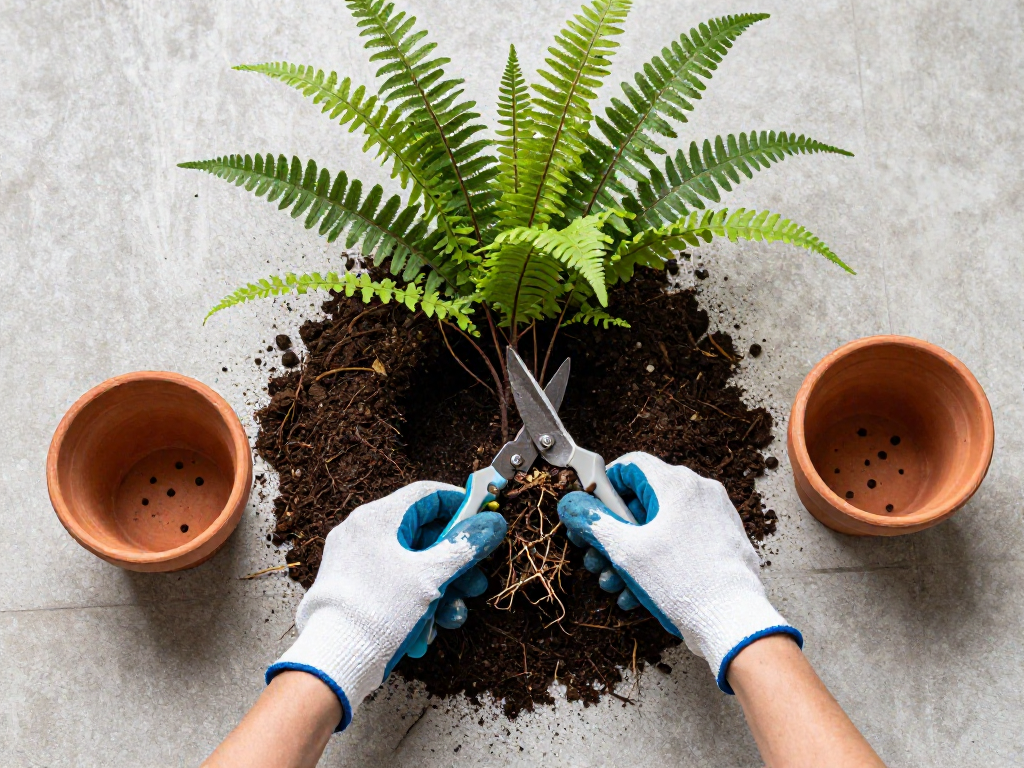
Inspect and trim damaged roots. Overwatering often leads to root rot—look for black, mushy, or foul-smelling roots. Using clean scissors or pruners, trim these away until you see healthy, white tissue. This step prevents rot from spreading.
-
Repot with fresh, well-draining mix. Discard the soggy soil and wash the pot if reusing. Fill it with a light, airy blend: combine standard potting mix with perlite or coarse sand (about one part amendment to three parts mix). This is crucial for balcony containers, where drying can be slower due to limited airflow. Make sure the pot has drainage holes.
-
Wait before watering again. Resist the urge to “help” with a drink. Let the top inch of soil become completely dry to the touch—stick your finger in to check. Only then water lightly, and always allow the pot to drain fully.
While you’re at it, consider elevating the pot with pot feet, pebbles, or a tray to improve airflow underneath. This helps prevent future soggy disasters.
Your plant may look droopy for a few days, but with patience and these steps, it should recover. Keep an eye on it, and adjust your watering routine moving forward.
Long-Term Prevention: Watering Wisdom for Balcony Gardens
Once you’ve rescued your plant, it’s time to build habits that keep overwatering from happening again. Balcony gardens have their own quirks—wind, sun, and container size all affect how quickly soil dries out. Here’s how to water with confidence:
- Check before you water: The best tool is your finger. Push it an inch into the soil. If it feels damp, wait. For deeper pots or if you’re unsure, a moisture meter removes the guesswork—just clean the probe between plants.
- Know your plant’s thirst: A jade plant and a Boston fern on the same watering schedule spells trouble. Succulents store water in their leaves and prefer dry spells, while ferns and tropicals want consistently moist (but not soggy) soil. Group plants by their water needs right from the start.
- Choose the right pots: Every container must have ample drainage holes—no exceptions. If you love a decorative pot without holes, use it as a cachepot and set a plain nursery pot inside. Never let pots sit in water-filled saucers; empty the saucer 15 minutes after watering, or set your pots on risers inside the saucer so roots stay dry.
- Adjust for the seasons: In summer, your plants may need watering every day; in winter, perhaps once every two weeks. Your balcony’s microclimate matters. Watch your plants, not the calendar. Drooping or wrinkled leaves signal thirst, but when in doubt, check the soil.
- Sync your plant posse: Place heavy drinkers together, and let the drought-tolerant ones share a drier corner. This not only simplifies your routine but also creates natural humidity pockets for plants that appreciate it. Hanging baskets often dry faster, so keep an eye on those.
With a little observation and these simple routines, you’ll keep your balcony garden thriving and your plants’ roots breathing easy.
FAQ
How often should I water balcony plants?
Watering frequency depends on plant type, pot size, and weather, but a good rule is to check the soil moisture before watering. Stick your finger about an inch into the soil—if it feels dry, it’s time to water; if it’s still damp, wait a day or two. Most balcony plants need watering every 2-3 days in mild weather, but you may need to water more often during hot, dry spells.
Can an overwatered plant recover on its own?
An overwatered plant rarely recovers on its own because soggy soil leads to root rot, which prevents nutrient uptake. You can help it by stopping watering immediately, moving it to a spot with good airflow, and gently removing any rotted roots. With quick action and improved drainage, many plants can bounce back.
Why are my plant’s leaves turning yellow and falling off?
Yellowing leaves that drop can be a classic sign of overwatering, as too much water suffocates roots and causes foliage to yellow and wilt. However, it could also indicate nutrient deficiencies or poor light, so check the soil moisture first. If the soil feels constantly wet, let it dry out and ensure your pot has drainage holes to prevent waterlogging.
What’s the difference between overwatering and underwatering symptoms?
Overwatered plants often show yellow, drooping leaves that feel soft or mushy, and the soil stays damp, while underwatered plants have dry, crispy leaves that may curl or brown at the edges and the soil pulls away from the pot sides. A quick soil check is key: if it’s wet or smells musty, you’re overdoing it; if it’s bone dry, your plant is thirsty. Adjust your watering habits based on the plant’s response and the season.
Should I water my balcony plants every day in summer?
In peak summer heat, many balcony plants benefit from daily watering, especially if they are in small pots or exposed to full sun, but always check the soil moisture first. Overwatering can still happen if pots lack drainage or if the topsoil dries out while the root zone remains wet. A morning soak is ideal, and you can use self-watering containers or mulch to reduce evaporation.